

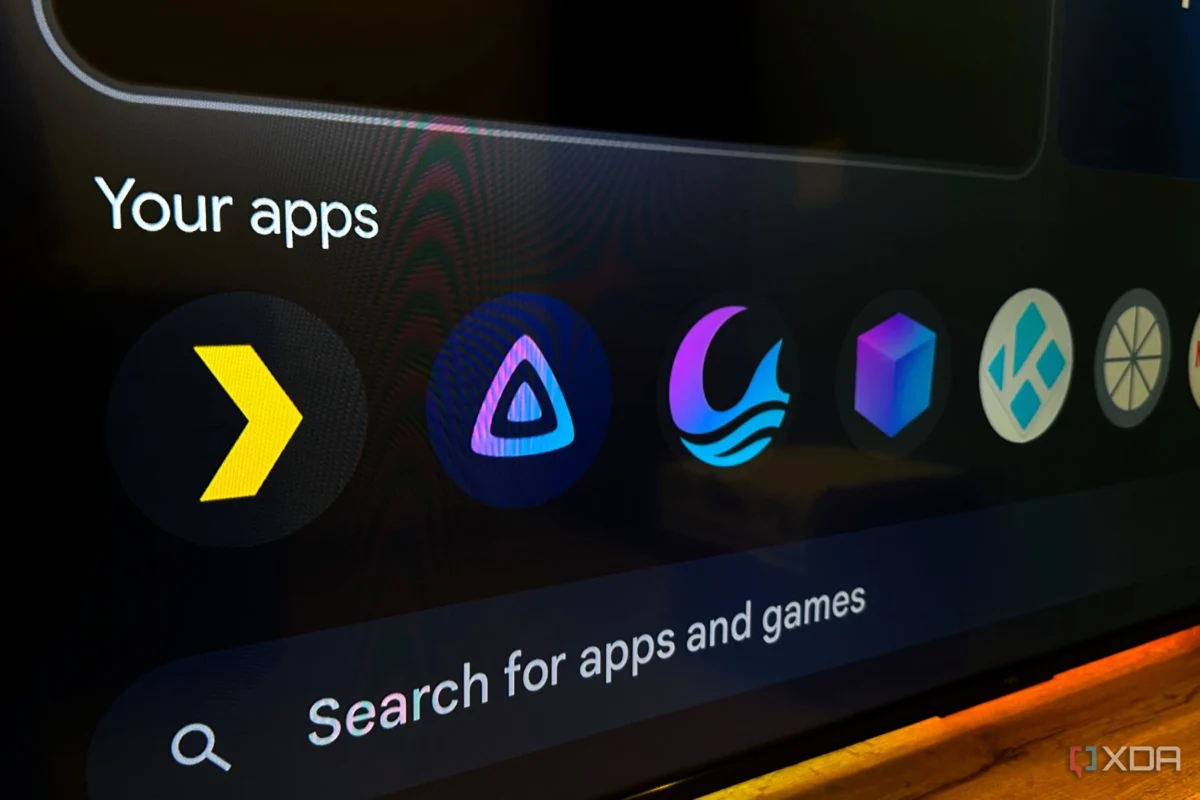
For over a decade, the media server landscape was largely dominated by a single, monolithic name: Plex. As a long-time user who invested in a Lifetime Pass years ago, I viewed my media library through a lens of convenience and proprietary polish. However, as the subscription-based model of media consumption continues to evolve—and as Plex’s pricing structure has become increasingly difficult to justify—the siren song of open-source alternatives like Jellyfin has grown impossible to ignore.
While Jellyfin has matured into a powerhouse server-side application, the user experience on the "last mile"—the television screen—has historically lagged behind its commercial counterparts. After extensive testing, I’ve found that while the Jellyfin server is a triumph of engineering, it is the community-driven client Wholphin that finally elevates the platform to a truly premium, living-room-ready experience.
The Main Facts: The Great Media Server Migration
The media server community is currently witnessing a significant shift. With Plex moving toward aggressive monetization and subscription-gated features, power users are migrating to Jellyfin in record numbers. Jellyfin, being free and open-source, offers the same core functionality—transcoding, metadata scraping, and remote streaming—without the financial barrier to entry.
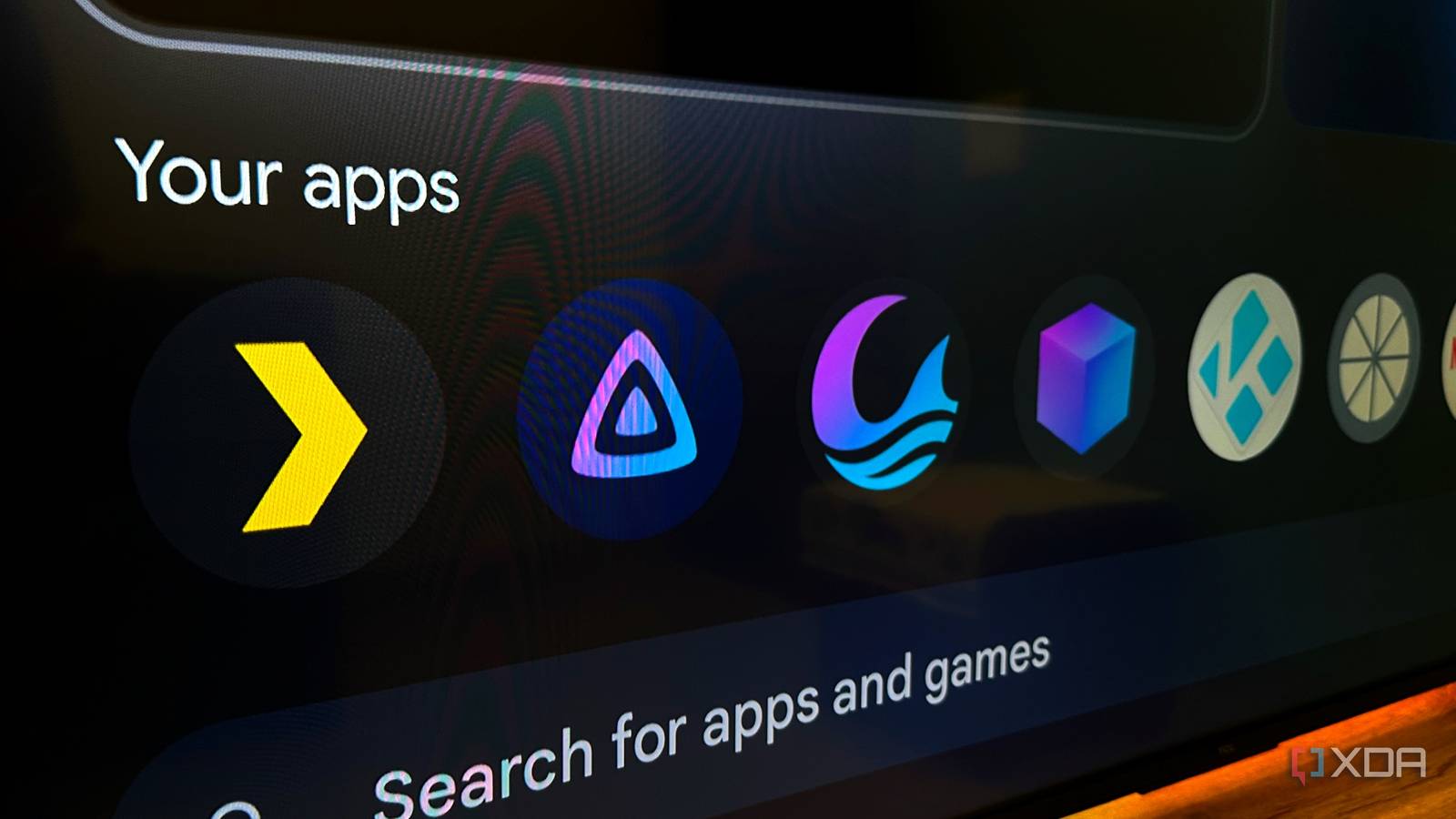
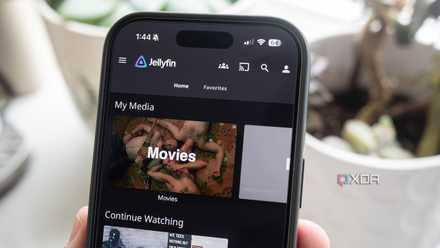
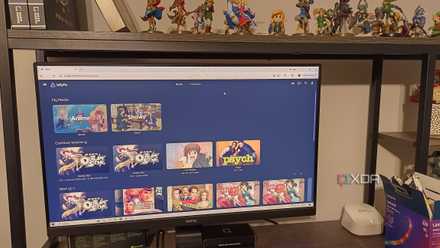
However, the "Plex-to-Jellyfin" transition is rarely seamless. The primary point of contention for most users is the interface. While the server-side architecture of Jellyfin is robust, the default Android TV client often feels like a "functional-first" application. It provides the necessary plumbing to stream media, but it lacks the visual cohesion, fluid navigation, and aesthetic flair that consumers have come to expect from modern streaming giants like Netflix or Apple TV+.
Chronology: From Setup to Satisfaction
My journey with Jellyfin began as a necessity, not a preference. After assisting several friends in setting up their own self-hosted media servers to circumvent the rising costs of commercial platforms, I decided to stress-test the platform on my own hardware.
- Phase One (Server Deployment): The setup process was remarkably efficient. Importing libraries, configuring remote access, and managing hardware acceleration for transcoding were tasks that Jellyfin handled with aplomb. From a backend perspective, it is arguably superior to the competition.
- Phase Two (The Client Disappointment): The friction began the moment I launched the official Jellyfin app on my Android TV. The experience was utilitarian. Navigation was sluggish, metadata (like cover art) suffered from noticeable latency, and the overall "feel" lacked the polish of a finished consumer product.
- Phase Three (The Search for Alternatives): Recognizing that the server was rock-solid, I began experimenting with third-party clients. I cycled through several options, including Moonfin, before landing on Wholphin.
- Phase Four (Integration and Mastery): Wholphin didn’t just fix the navigation; it transformed the entire workflow. By integrating features like Jellyseerr, it turned my media server into an interactive, request-driven ecosystem.
Supporting Data: Why the Client Matters
In the world of home theater, "friction" is the enemy of adoption. When a user sits down on the couch after a long day, they do not want to troubleshoot subtitles, wait for thumbnails to render, or navigate a clunky menu.

| Feature | Default Jellyfin App | Wholphin Client |
|---|---|---|
| Navigation Fluidity | Moderate (Occasional lag) | High (Smooth/Snappy) |
| UI Aesthetics | Utilitarian/Basic | Premium/Netflix-like |
| Jellyseerr Integration | None (Requires 2nd device) | Native/Seamless |
| Playback Control | Standard | Advanced/Smart-stopping |
The data points are clear: users prioritize "lean-back" experiences. The default Jellyfin client requires a high degree of user intervention, whereas Wholphin automates the discovery and consumption cycle. The ability to request media directly from the television interface, combined with the aesthetic refinement of the UI, makes Wholphin the essential partner for a high-performance Jellyfin server.
The Role of Ecosystem Integration: Jellyseerr
Perhaps the most significant differentiator for Wholphin is its seamless integration with Jellyseerr. In a household environment, the technical barrier of "how to get a movie onto the server" is often the biggest hurdle.
By allowing users to search for content and lodge requests directly from the TV remote, Wholphin bridges the gap between the server administrator and the end-user. My partner, who previously found the complexities of server management intimidating, now uses the Wholphin interface to queue up content. This transforms the server from a solitary project into a family-friendly service. The ability to trigger an automated rip of a physical disc or a download through the integrated request system effectively removes the "server admin" middleman.
Implications: The Future of Self-Hosting
The rise of sophisticated clients like Wholphin has profound implications for the future of the media server market.
1. The Death of the "Premium" Myth
For years, companies like Plex have argued that their high subscription fees are necessary to maintain a "polished" user interface. The success of Wholphin proves that the open-source community is more than capable of delivering a premium, refined experience. When the interface is no longer a differentiator, the value proposition of a paid subscription drops significantly.
2. The Rise of the "Living Room" Standard
We are moving toward a standard where media servers must be as user-friendly as commercial streaming services. Any application that does not prioritize high-resolution metadata, fast thumbnail generation, and intuitive "continue watching" queues will inevitably be abandoned by the average user.
3. The Shift in Financial Power
With the cost of a Lifetime Pass for some services climbing toward $750 by July 2026, the barrier to entry for paid media servers has never been higher. This financial pressure is acting as a catalyst for innovation in the free-to-use space. As more developers contribute to projects like Wholphin, the "gap" between professional and community software will continue to narrow until it is essentially non-existent.
Final Verdict: Why I’m Sticking with Wholphin
My decision to switch to Wholphin is not a rejection of Jellyfin; it is a testament to the power of the Jellyfin ecosystem. Jellyfin provides the engine, but Wholphin provides the dashboard.
I spent time testing Moonfin, but found it lacked the stability required for a primary living room device. The interface, while ambitious, felt rough around the edges compared to the refined, snappy, and deeply integrated experience of Wholphin.
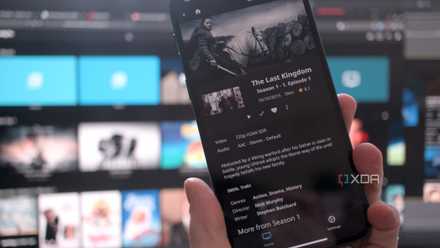
For anyone currently on the fence about migrating from a paid service to an open-source solution, the barrier is no longer technical—it is psychological. The fear that you will lose the "premium" feeling of your media library is no longer a valid concern. By pairing a robust Jellyfin server with a well-designed client like Wholphin, you aren’t just saving money; you are reclaiming control over your digital library.
The era of paying exorbitant fees for the privilege of streaming your own files is coming to a close. The tools to build a better, faster, and more beautiful home theater experience are already here, and they are open-source. All you have to do is take the first step.